
Tidal wetlands are among the most productive and ecologically valuable habitats on Earth. Between 1974 and 2005, the Peconic Estuary lost approximately ten percent of its vegetated tidal wetlands, with the greatest losses occurring in East Hampton and Shelter Island. Eighty-six marsh complexes, out of 159 identified in the Peconic Estuary, have been categorized as at risk (defined as marsh loss greater than ten percent). The below image shows the Percent Change in Marsh Areas within the Peconic Estuary Watershed from 1974 to 2005.
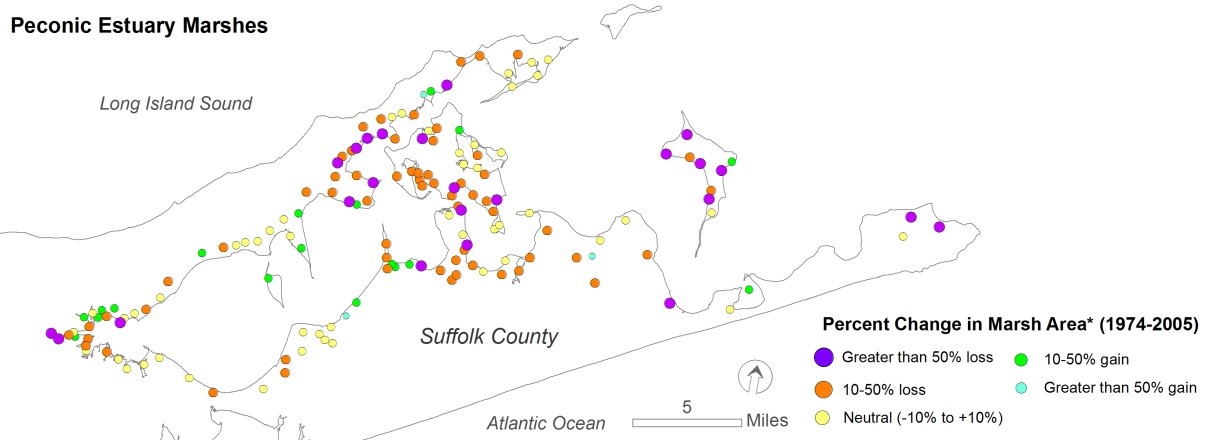
Of particular concern is the rapid decline of approximately 25 percent of high marsh habitat between 1974 and 2005. These trends suggest significant marsh drowning is occurring. Marsh drowning is related to the interacting effect of the failure of marsh accretion processes (such as deposition of organic sediments and accumulation of plant biomass) to keep pace with sea-level rise. Hardening of the shoreline, excess nutrients, tidal restrictions, and other land and human-use activities all affect marsh accretion and erosion processes and contribute to the degradation of these habitats. Marshes can migrate inshore gradually with rising sea levels, but the rapid rate at which sea level is now rising makes it difficult for them to migrate inshore fast enough.
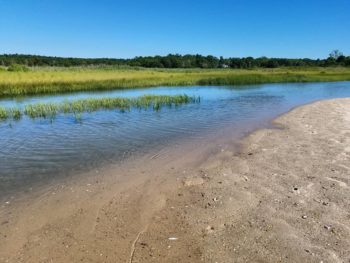
Additionally, in some cases, natural or man-made barriers—such as seawalls and other hardened shoreline structures—will prevent marshes for migrating inland. Tidal wetland loss means reduced feeding, breeding, and nursery habitats for waterfowl, wading birds, shorebirds, fish, and invertebrates. It also means a reduction in important ecosystem services, such as sediment retention, nutrient and organic matter recycling, and storm and flood buffering. Other threats to marsh habitat include excess nitrogen, the introduction of pollutants, and other invasive plants that outcompete with native marsh plants.
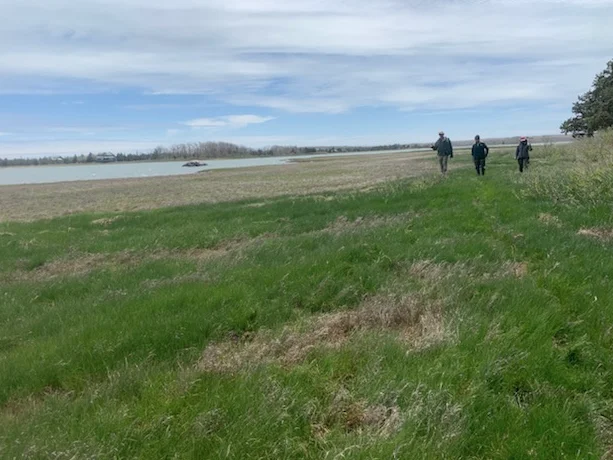
Identifying hot spots of mosquito breeding and integrating marsh management have all been priorities in restoring the high marsh loss that has impacted Accabonac Harbor from 1974 to 2005.
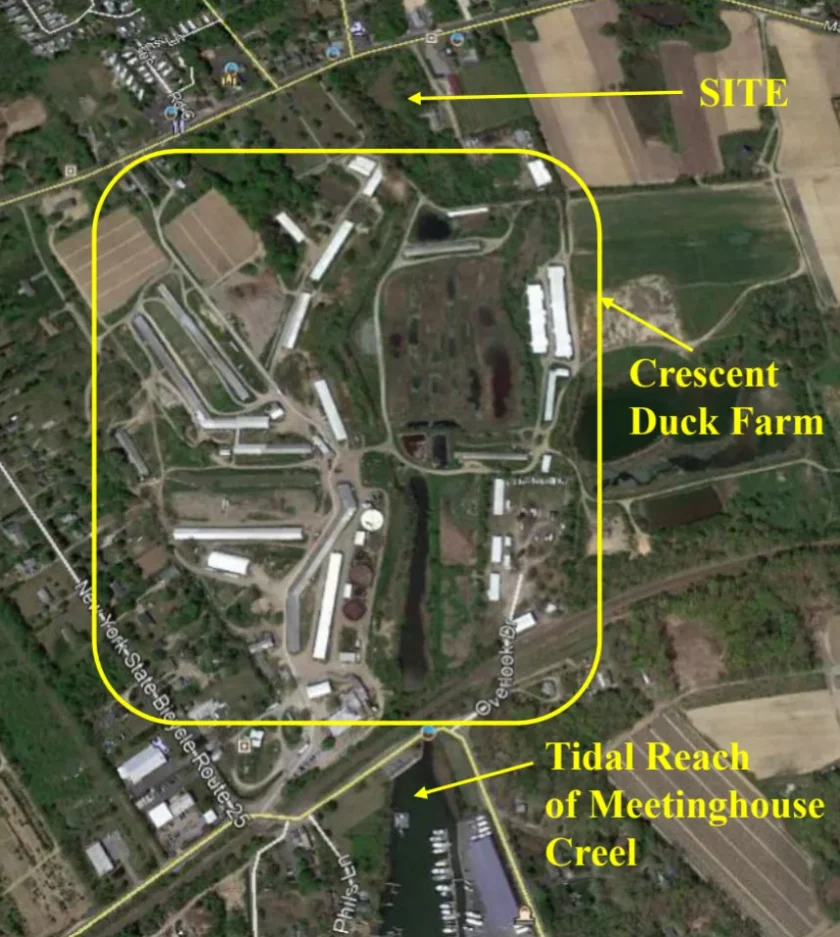
This project aims to improve stormwater management runoff issues by implementing green infrastructure strategies. By doing so, this will improve water quality as well as coastal vulnerability and resiliency in the surrounding area.
This project is aiming to restore natural tidal dynamics to increase water flower and deter Phragmites spread through Infrastructure-based restoration uses targeted at upgrades to naturally restore tidal dynamics.
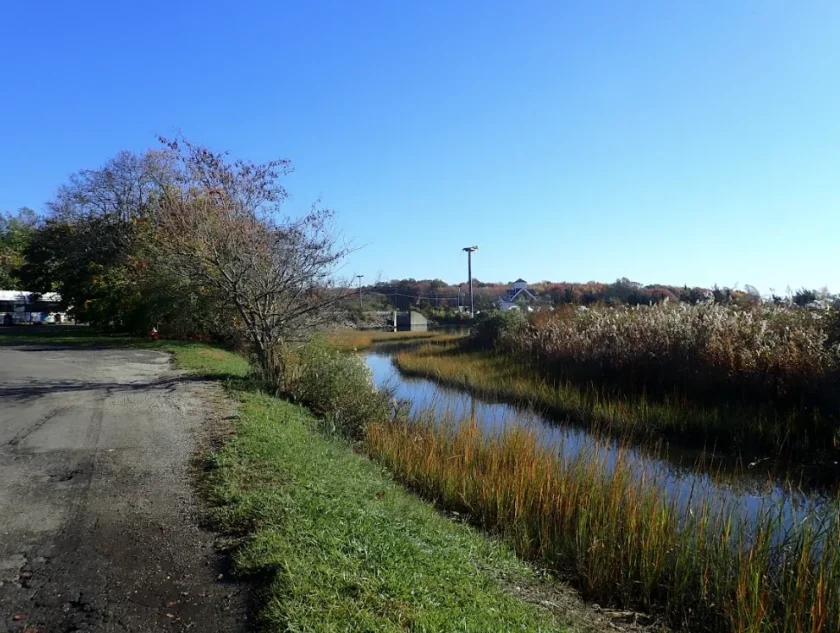
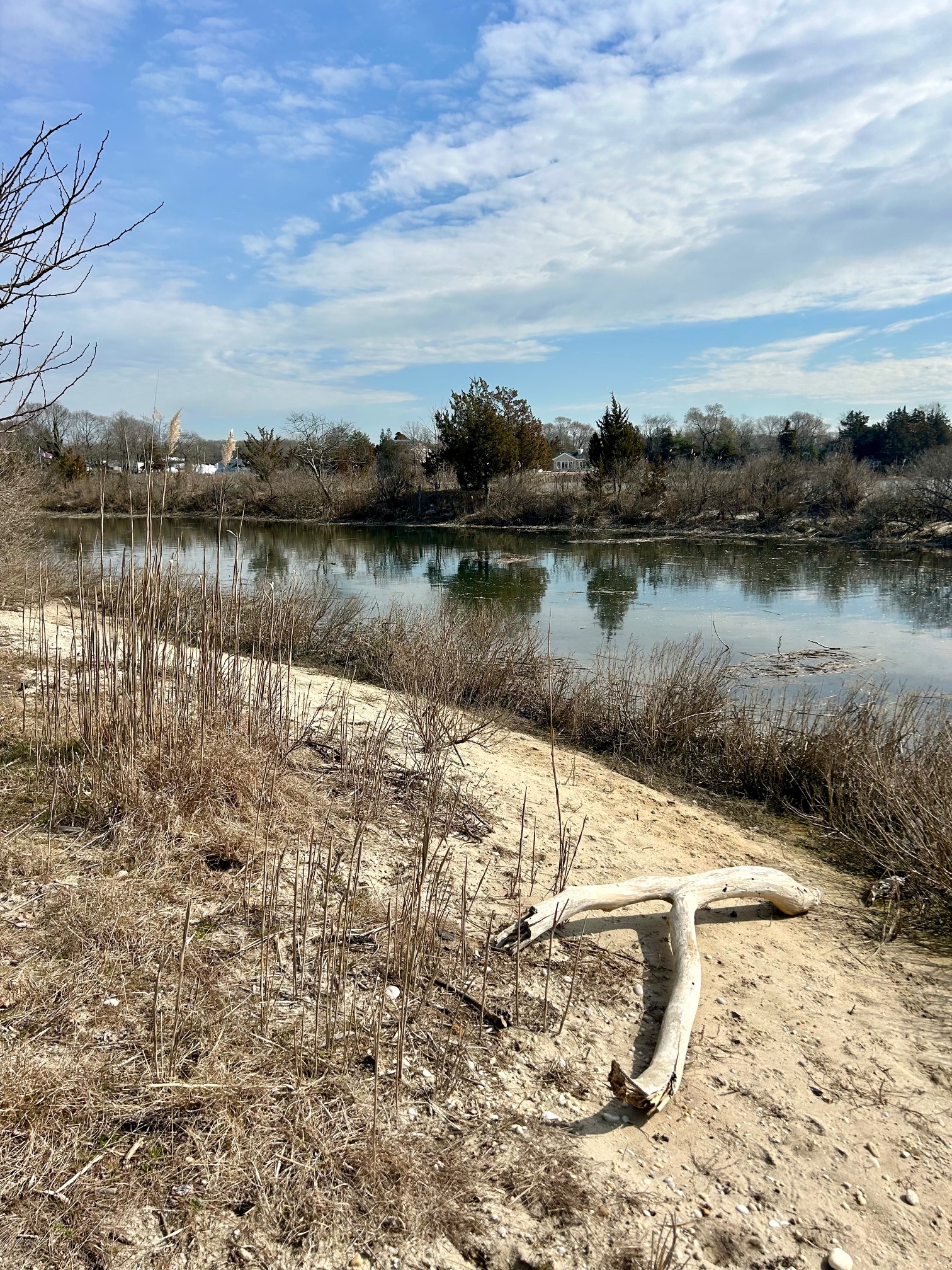
This site features 25 acres of tidal wetlands and 8,000 feet of shoreline, and rich habitats for the variety of local wildlife that make Broad Cove their home..
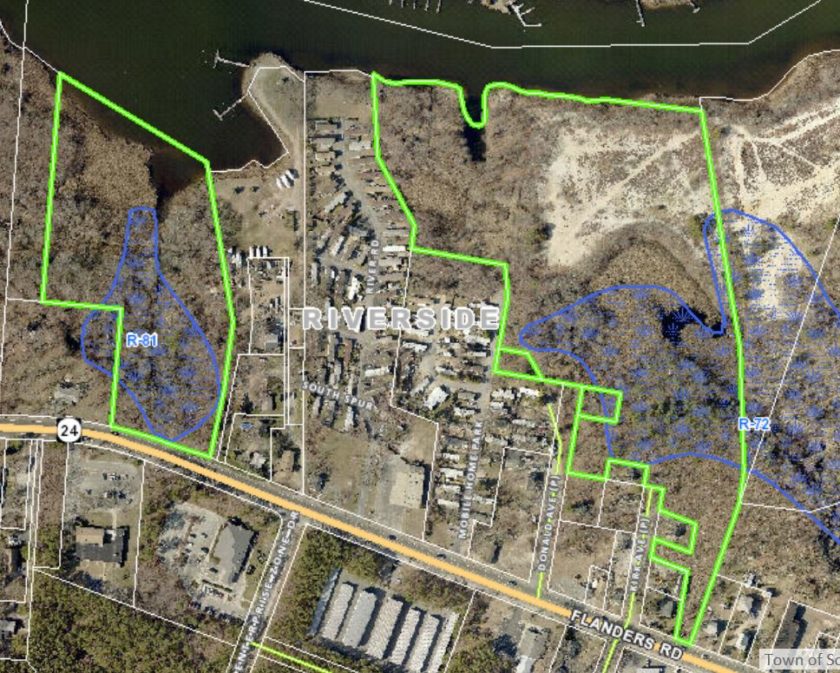
The concept plan is community-driven, prioritizing healthy water quality restorations for safe water access, recreation, and education for the local community in the Southampton Riverside area.
