
Reducing nitrogen loading to the Peconic Estuary is a top priority for PEP due to far-reaching impacts including harmful and toxic algal blooms (HABs), low dissolved oxygen, and degraded aquatic habitats. PEP aims to reduce nitrogen loads by identifying sources of nitrogen across Peconic Estuary subwatersheds and implementing management actions and projects to address these sources, and to investigate emerging technologies as interim solutions to address existing nitrogen pollution. Successful implementation of plans across estuary subwatersheds will help reduce stormwater runoff pollution and improve overall water quality conditions.
Learn more about Nitrogen Pollution, nitrogen loading across the Peconic Estuary, and Best Management Practices (BMPs) for Nitrogen reduction.
This project seeks to eliminate direct stormwater discharge in Goose Creek by updating our stormwater management practices and outdated infrastructure, while continuously monitoring the water quality.
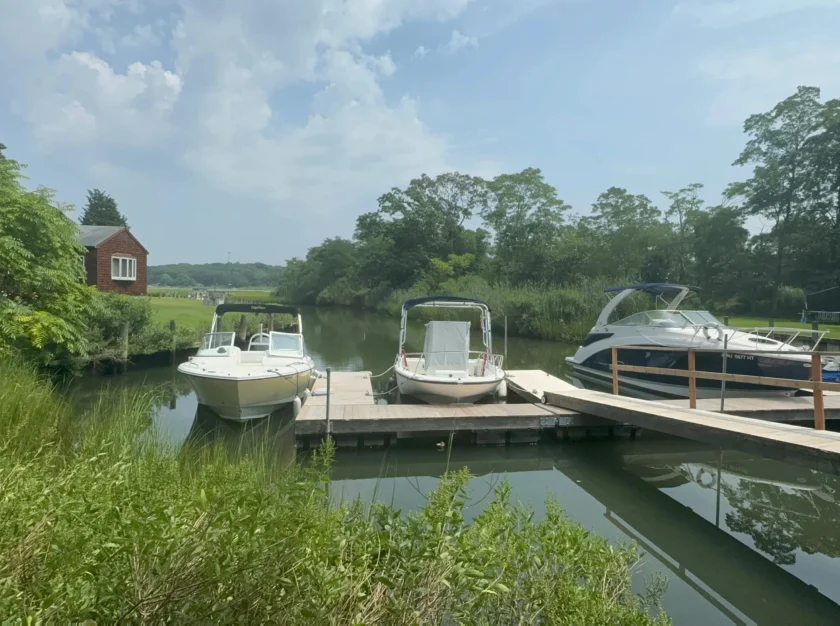
Image Source: Rachel Friedman
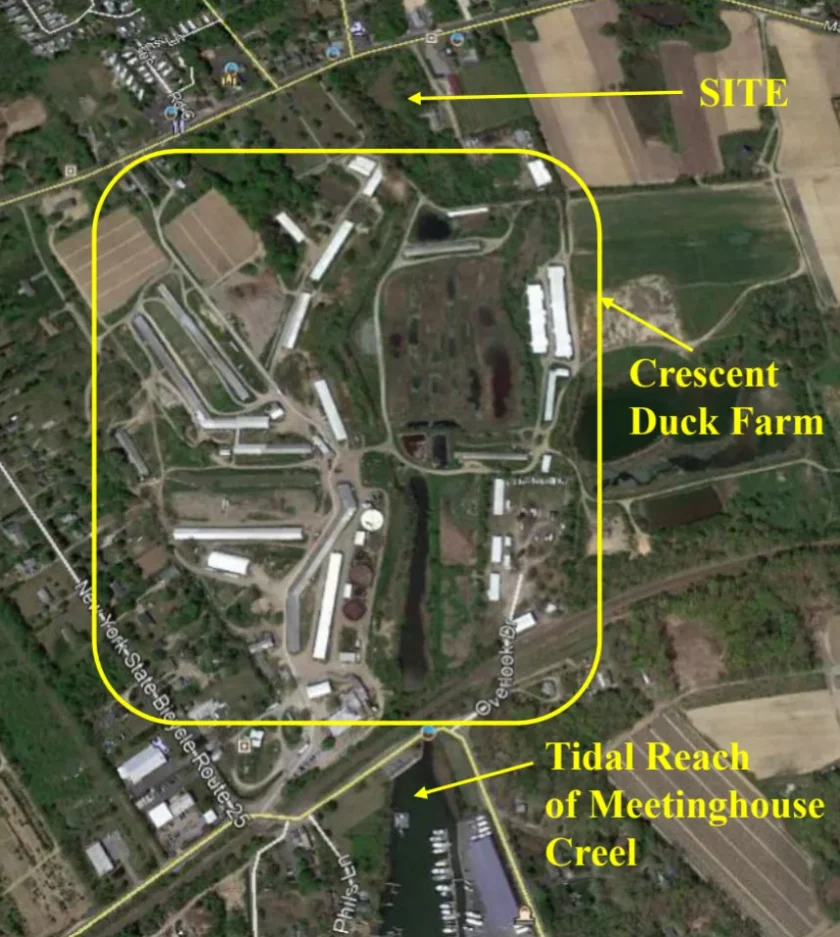
This project aims to improve stormwater management runoff issues by implementing green infrastructure strategies. By doing so, this will improve water quality as well as coastal vulnerability and resiliency in the surrounding area.
Creating Habitat, Acidification reduction, Nitrogen bio-extraction, Guarding our shorelines, Erosion control, Sequestering carbon
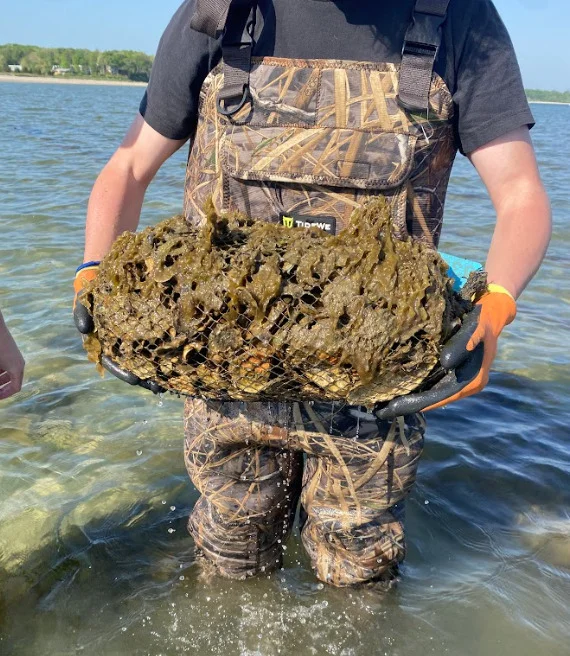
Image Source: Hannah Collins
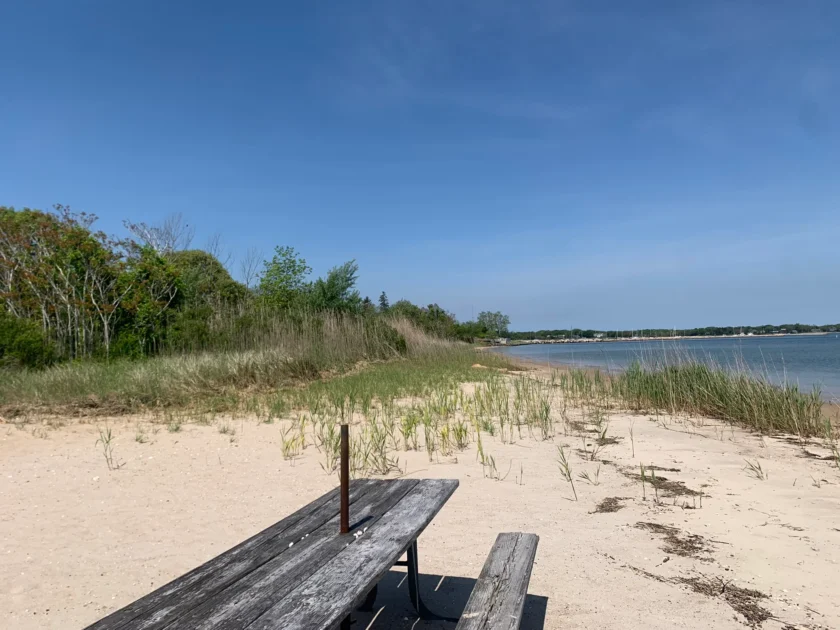
Image Source: Rachel Friedman
This project provides stormwater remediation in Sag Harbor Cove and Havens Beach with green infrastructure installations to manage stormwater and filter pollutants.
The Long Island Watershed Program now incorporates the Long Island Nitrogen Action Plan. Formerly LINAP, this program under LIWP is a multiyear initiative to reduce nitrogen in Long Island’s surface and ground waters by the DEC, Long Island Regional Planning Council (LIRPC), and Suffolk and Nassau counties, with input from multiple partners and stakeholders. PEP is committed to working with these partners to achieve the goals of LIWP by aligning current projects with LIWP goals.
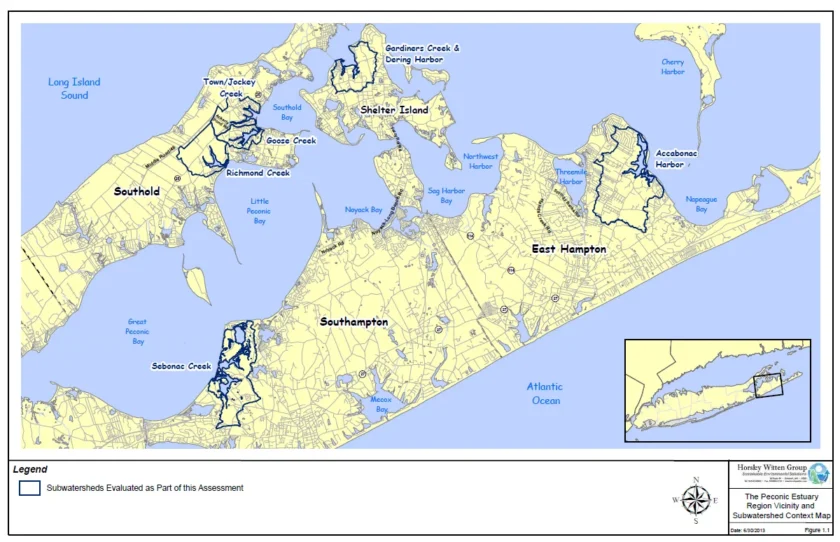
The Subwatershed Management Plan supports the development of a Countywide wastewater management strategy through the establishment of ‘priority areas’ for nitrogen reduction, establishment of nitrogen load reduction goals for each priority area, and the development of a recommended wastewater upgrade
strategy to meet nitrogen load reduction goals.

PEP is working with the USGS to develop a Solute Transport Model to serve as a tool to estimate time-varying nitrogen loading rates to the Peconic Estuary from groundwater inputs. This tool will allow communities to make more informed decisions on future wastewater management alternatives.
PEP participates in the National Atmospheric Deposition Program, helping to monitor the atmospheric depsoition of nitrogen to the Peconic Estuary. This data helps to inform nitrogen management policies and goals.


PEP provides financial incentives for homeowners living within the Peconic Estuary watershed to add rain gardens, native plant gardens, and/or rain barrels to their properties. This program also educates community members on the benefits of these strategies for nitrogen reduction.
Homeowners who decide to replace their cesspool or septic system with the new I/A OWTS technologies may be eligible for grants from New York State and Suffolk County to purchase and install a nitrogen removal septic system and leaching structure.
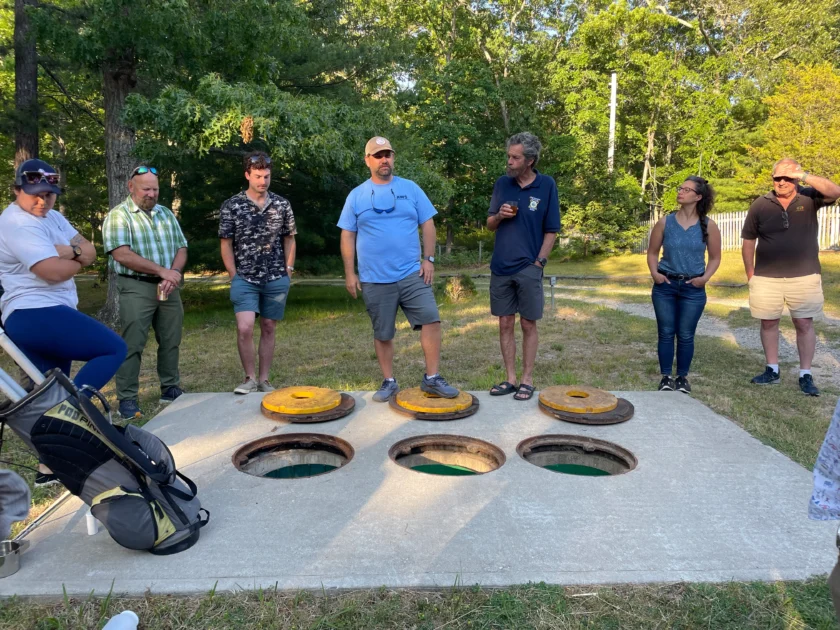
Image Source: Viktoria Skobodzinski
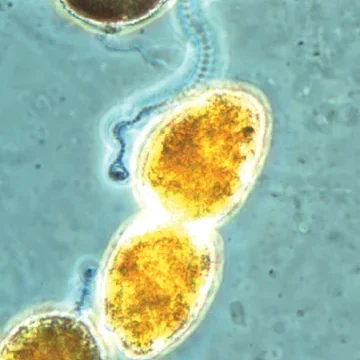
Harmful Algal Blooms (HABs) are widespread across the Peconic Estuary and pose significant threats to public and environmental health. PEP has been focused on reducing nitrogen loading, which is linked to the increased presence and severity of HABs. PEP was also involved in the development of the Suffolk County Harmful Algal Bloom Action Plan, implemented to aid in understanding HABs and to help focus future actions and management strategies, including the PEP Septic Improvement Plan and Homeowner Rewards Program.
Pathogens are viruses, bacteria, protozoans, and fungi that cause diseases in humans, other animals, or plants. Contamination of Peconic Estuary waters by pathogens may result in the closure of beaches and shellfisheries, impacting economic and recreational activities on the East End. At PEP, we are working with our partners to reduce pathogen pollution caused by stormwater runoff and wastewater pollution.
This project seeks to eliminate direct stormwater discharge in Goose Creek by updating our stormwater management practices and outdated infrastructure, while continuously monitoring the water quality.
Image Source: Rachel Friedman
This project aims to improve stormwater management runoff issues by implementing green infrastructure strategies. By doing so, this will improve water quality as well as coastal vulnerability and resiliency in the surrounding area.
Image Source: Rachel Friedman
This project provides stormwater remediation in Sag Harbor Cove and Havens Beach with green infrastructure installations to manage stormwater and filter pollutants.
