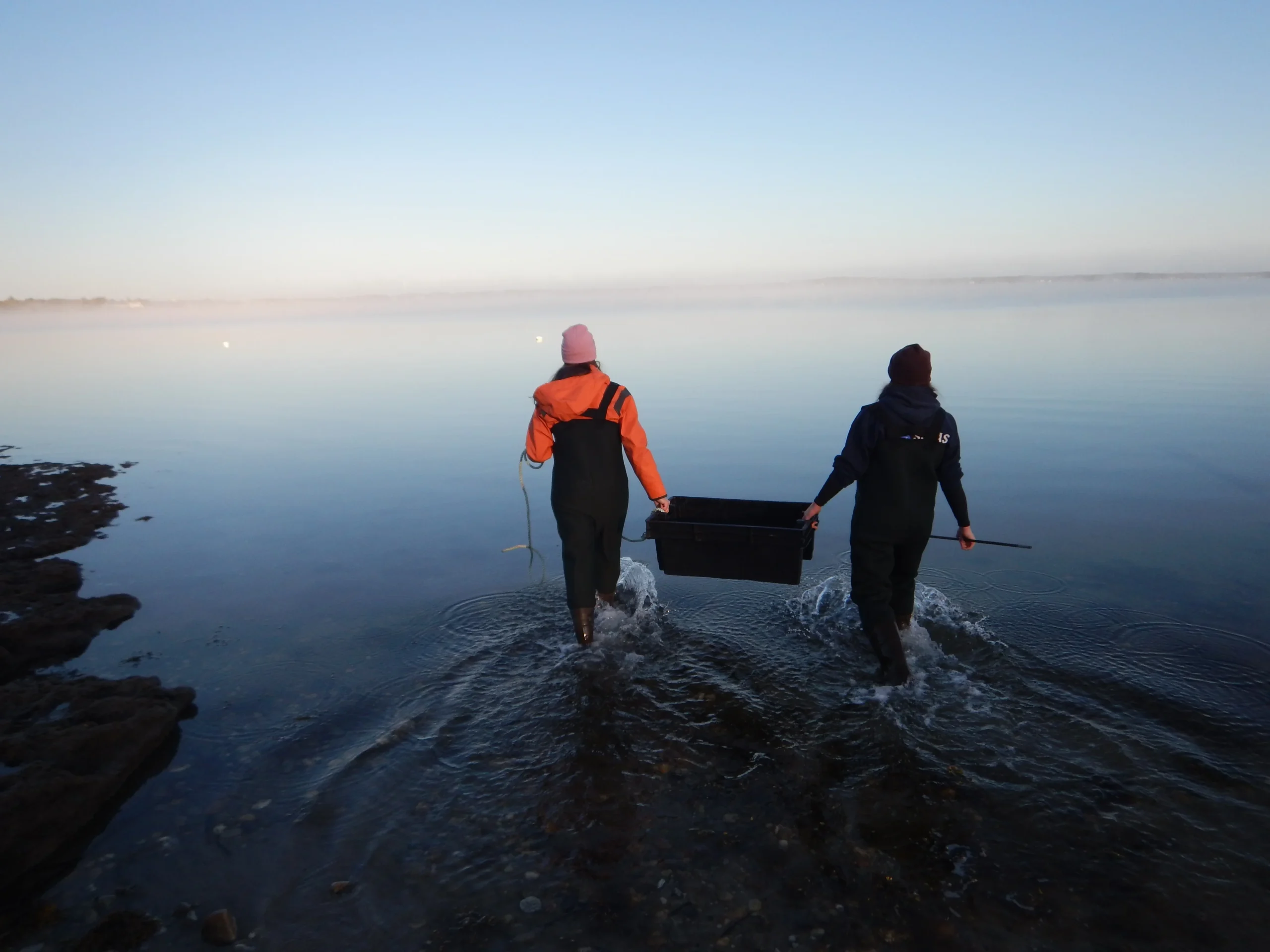
Creating Habitat, Acidification reduction, Nitrogen bio-extraction, Guarding our shorelines, Erosion control, Sequestering carbon
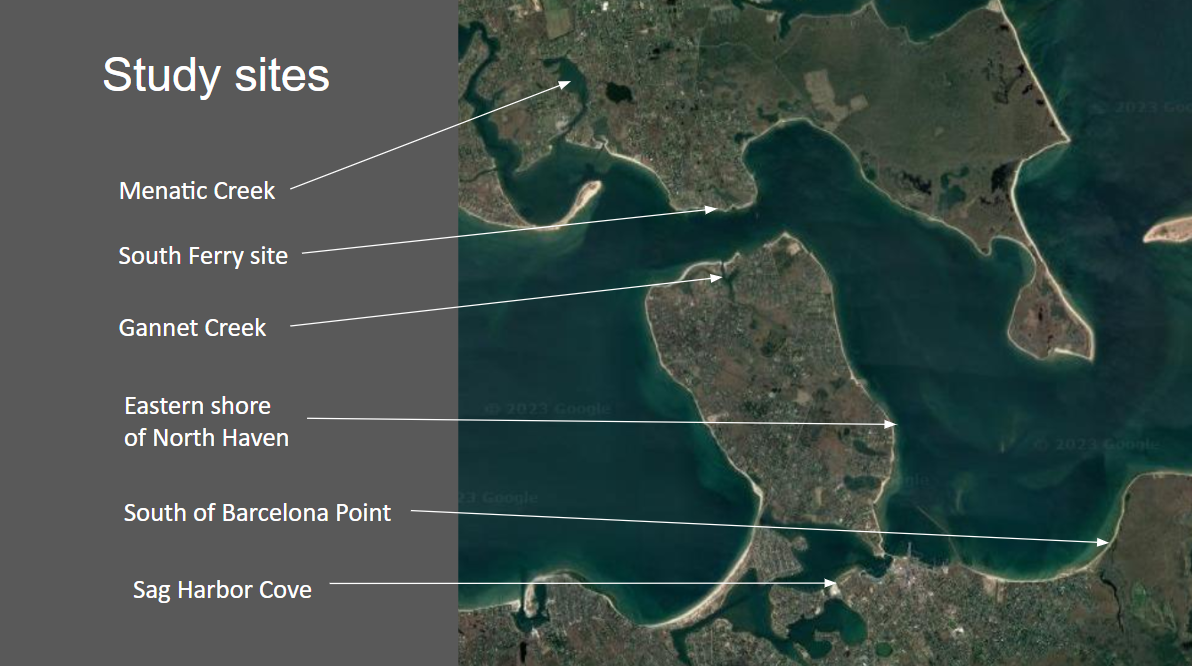
The Peconic Estuary faces ecological challenges such as coastal resilience to storm events, sea level rise, excess nutrients leading to harmful algal blooms, and loss of habitat.
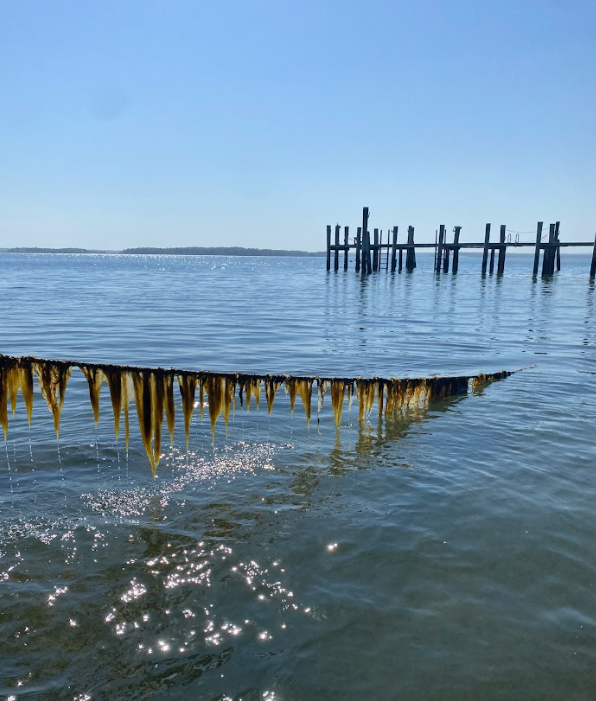
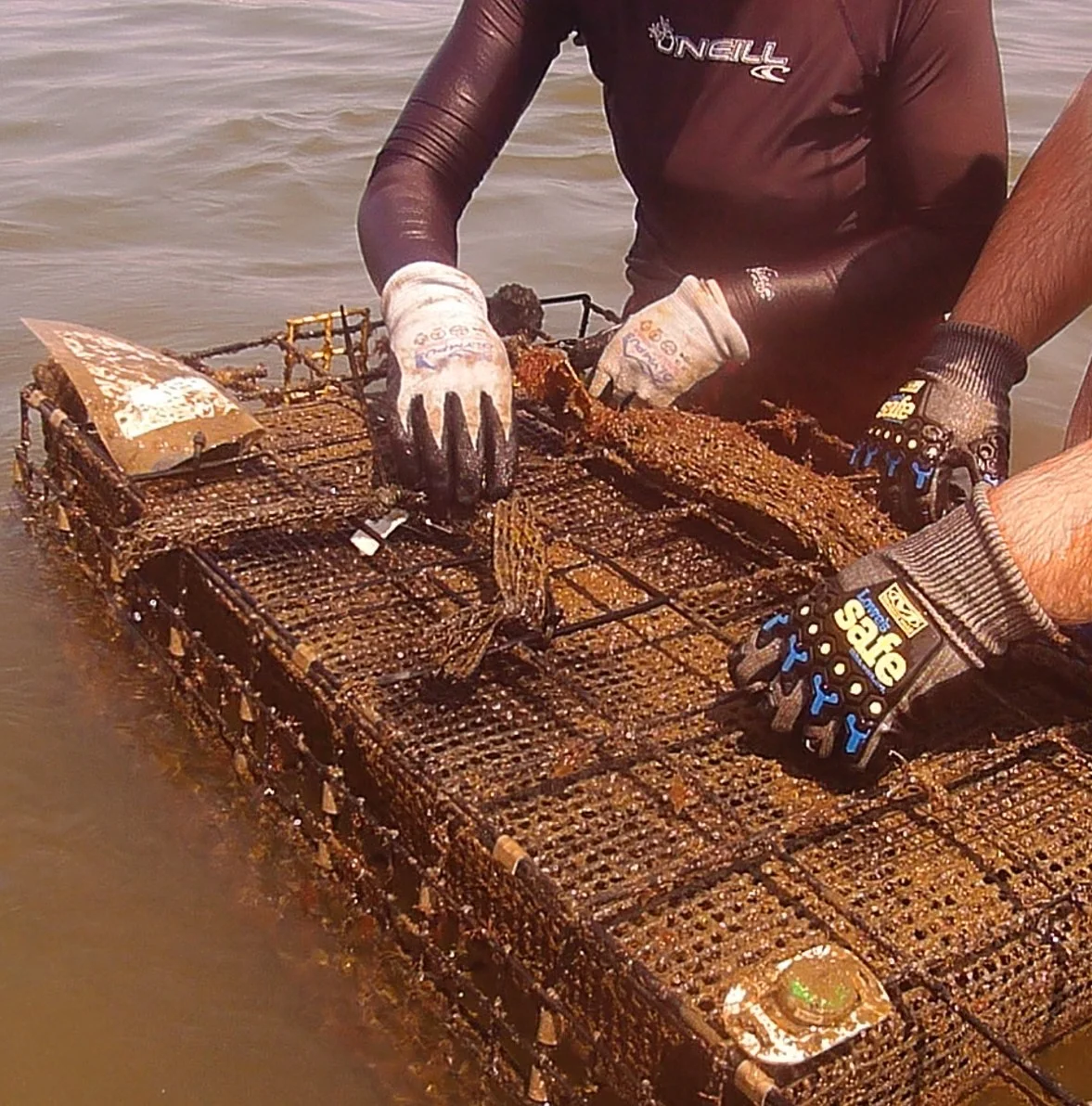
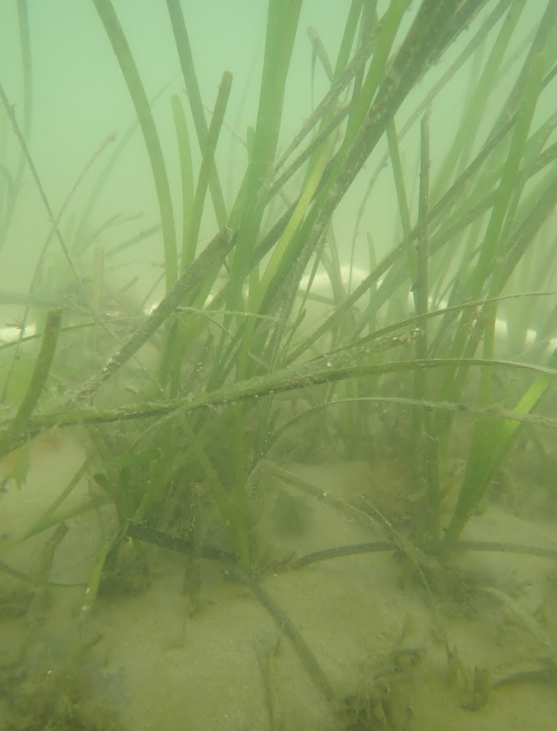
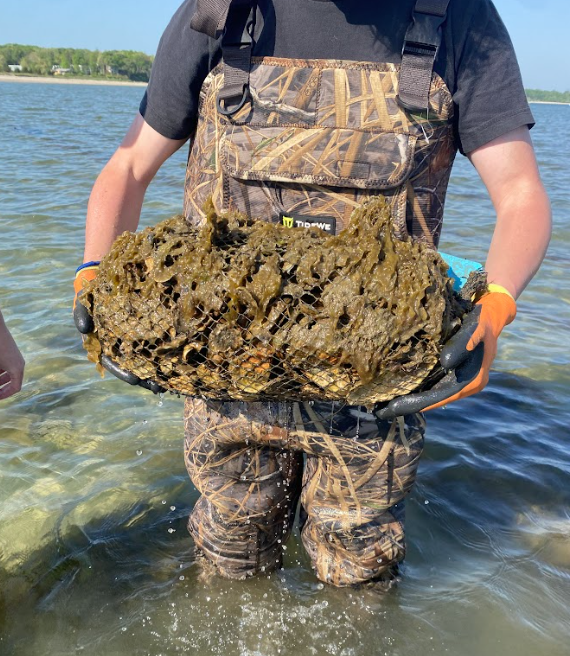
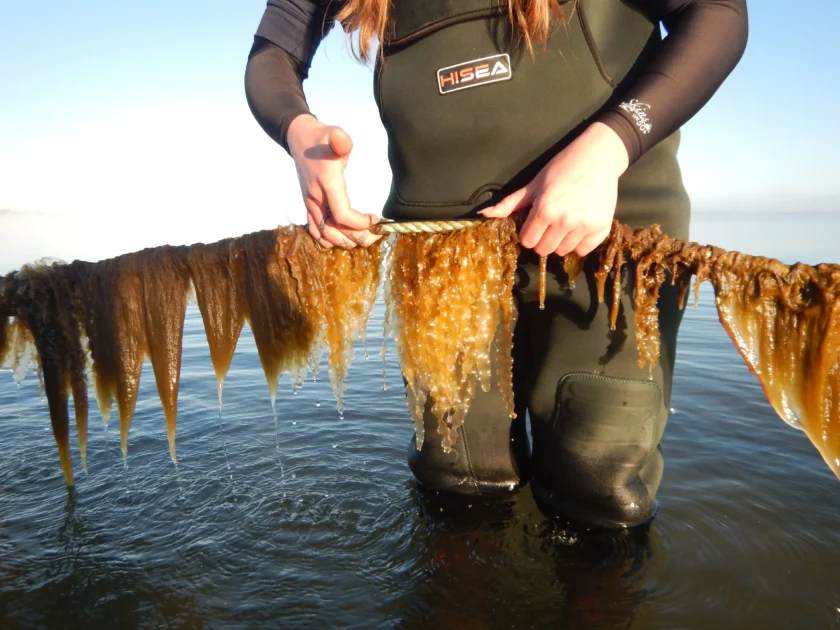
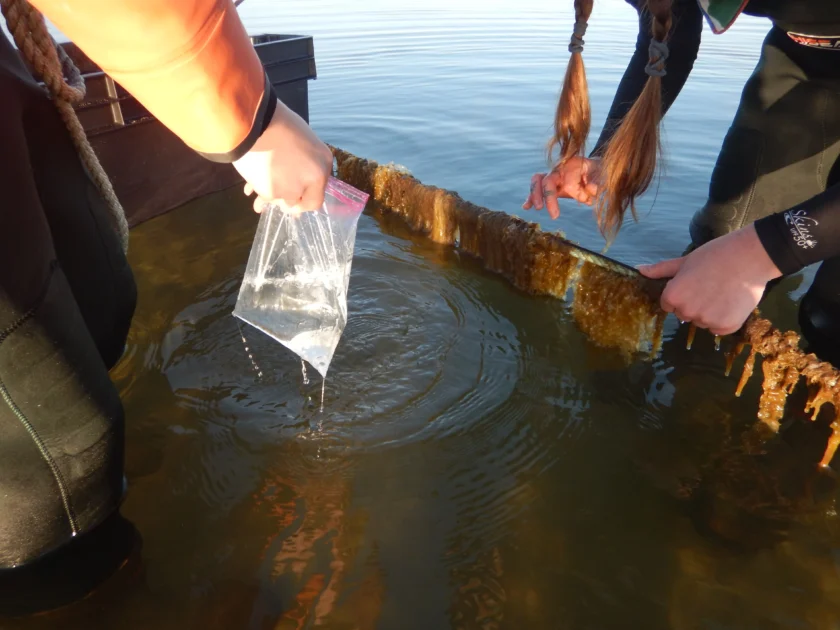
This project will utilize combinations of kelp, oysters, and seagrasses to tackle these issues.
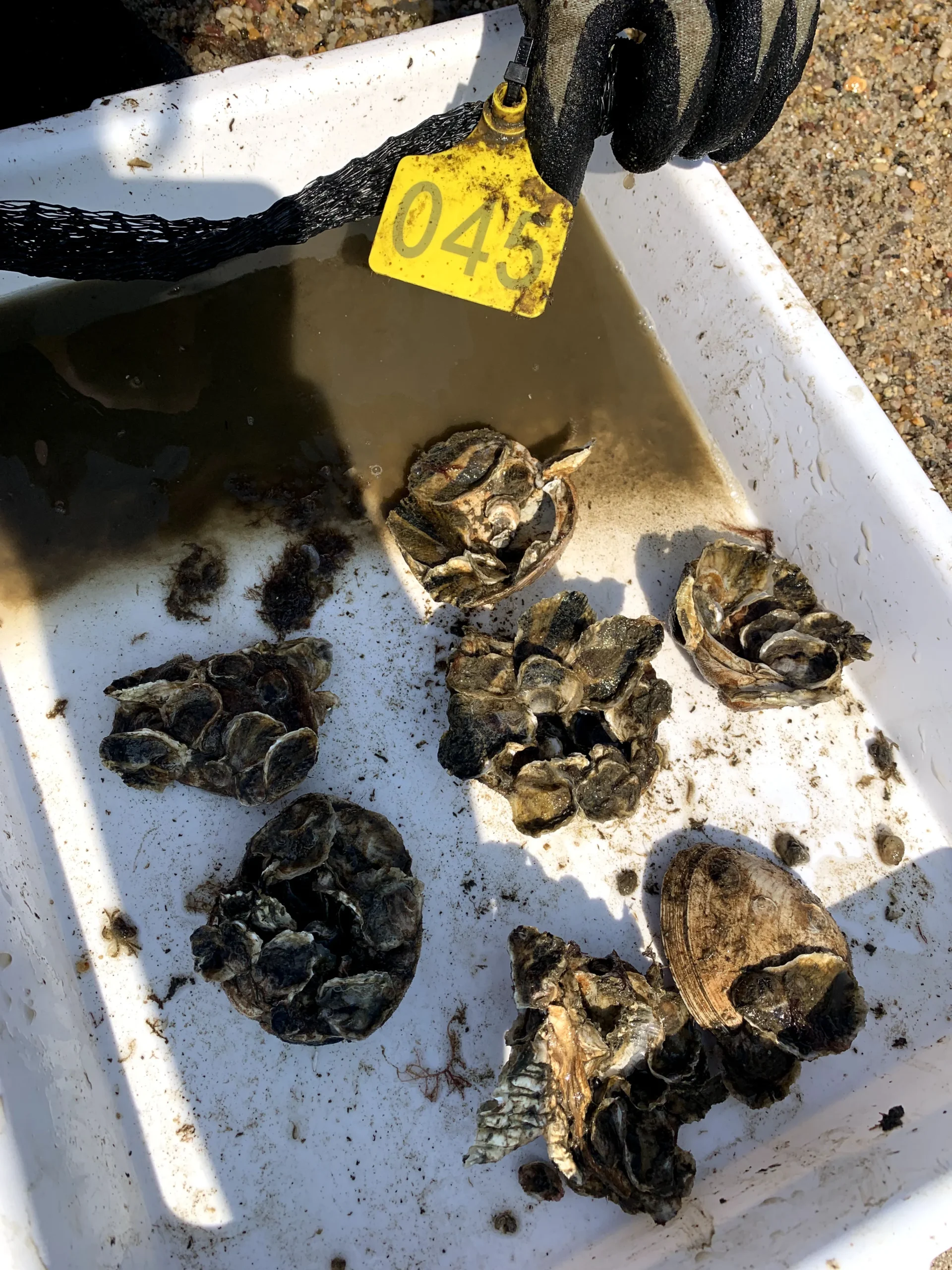
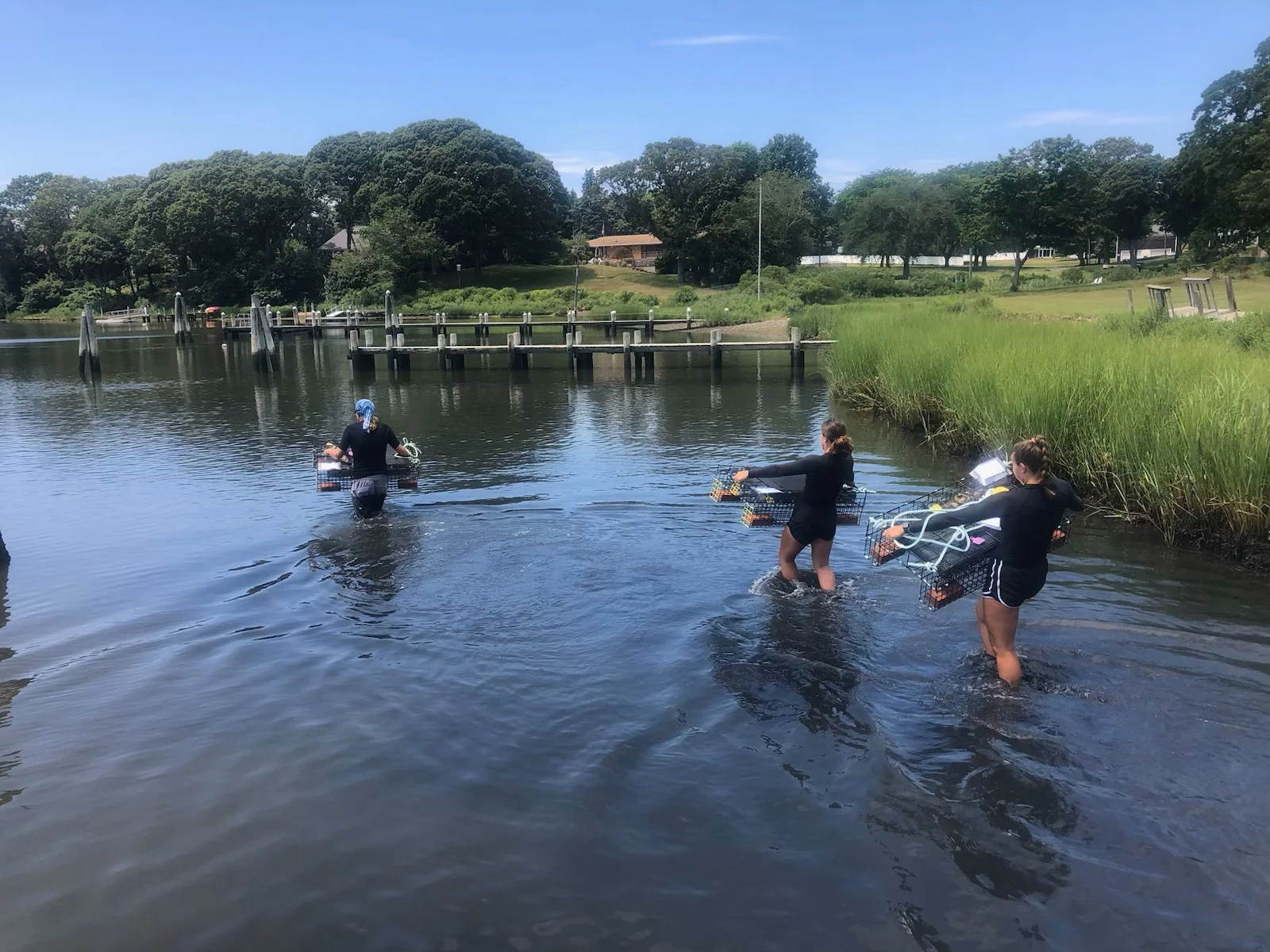
Peconic Estuary Partnership is supporting the research team at Stony Brook University to conduct a multi-faceted approach to address many of the issues in the Peconic Bays.
The Comprehensive Conservation and Management Plan (CCMP) is the guiding framework for protecting and restoring the Peconic Estuary and its watershed.
Action 13
Collaborate on coastal and ocean acidification monitoring and research
Action 17
Plan science-based approaches for monitoring and reducing nutrient pollution
Action 18
Implement science-based approaches for monitoring and reducing nutrient pollution
Action 23
Conduct scientific studies to expand understanding of the Peconic Estuary ecosystem and support ecosystem-based management
Action 30
Monitor and protect existing eelgrass beds where appropriate, restore and expand eelgrass beds
Action 33
Implement living shoreline projects, monitor for ecological and financial benefits, and use model projects to educate planners and homeowners on the benefits of living shorelines over hardened shorelines