
By: Rachel Friedman, PEP Water Quality Outreach Specialist
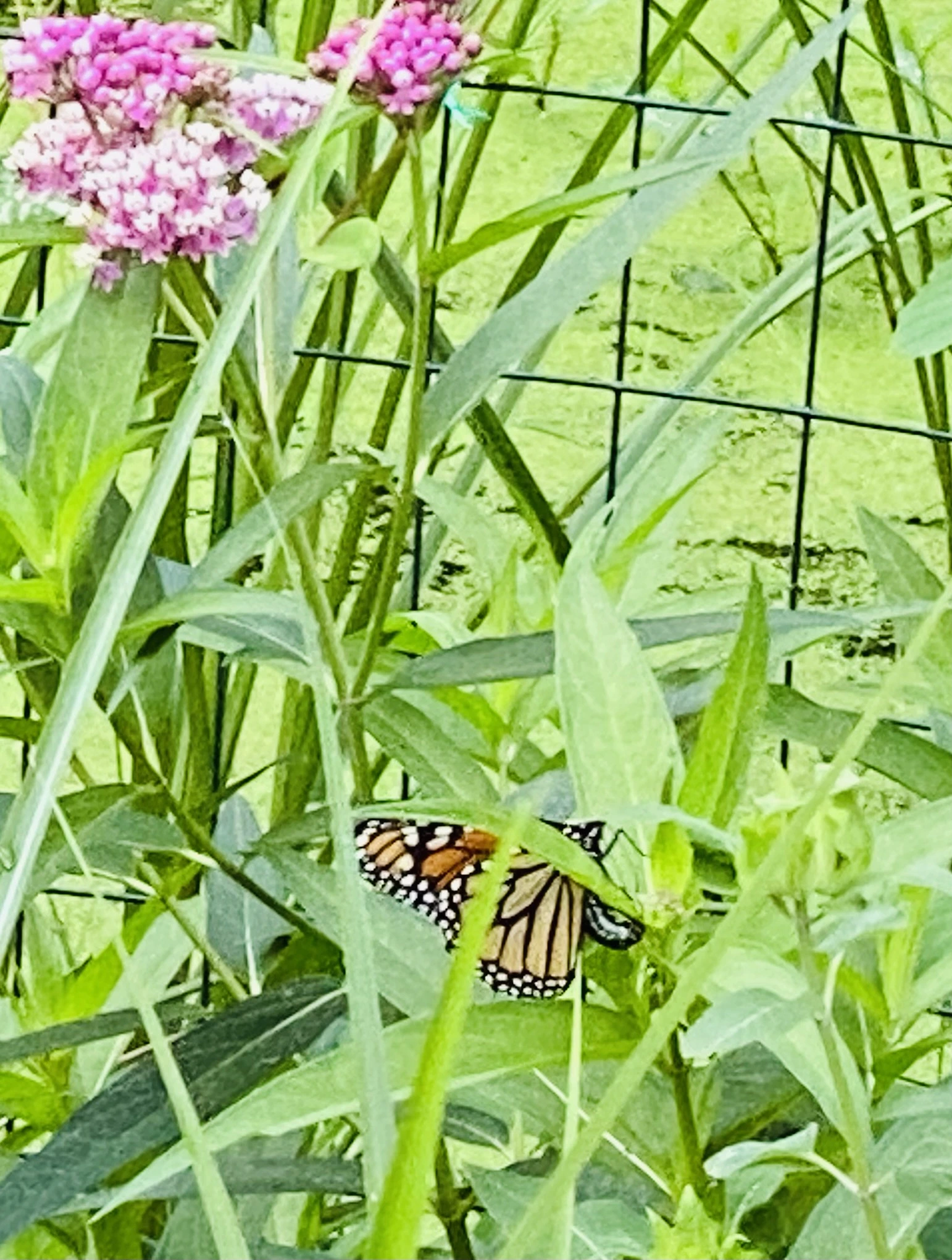
Some of the most meaningful moments of my job unfold far from my desk, and are experienced by somebody else. They happen in backyards across the East End, where a homeowner digs a hole in the soil to place their newly purchased native plant, or as someone sits peacefully, observing a butterfly enjoying some milkweed they planted a few weeks earlier. Now in my second season managing the Peconic Estuary Partnership’s Homeowner Rewards Program, I find these moments enjoyed by those other than myself, to be some of the most rewarding.
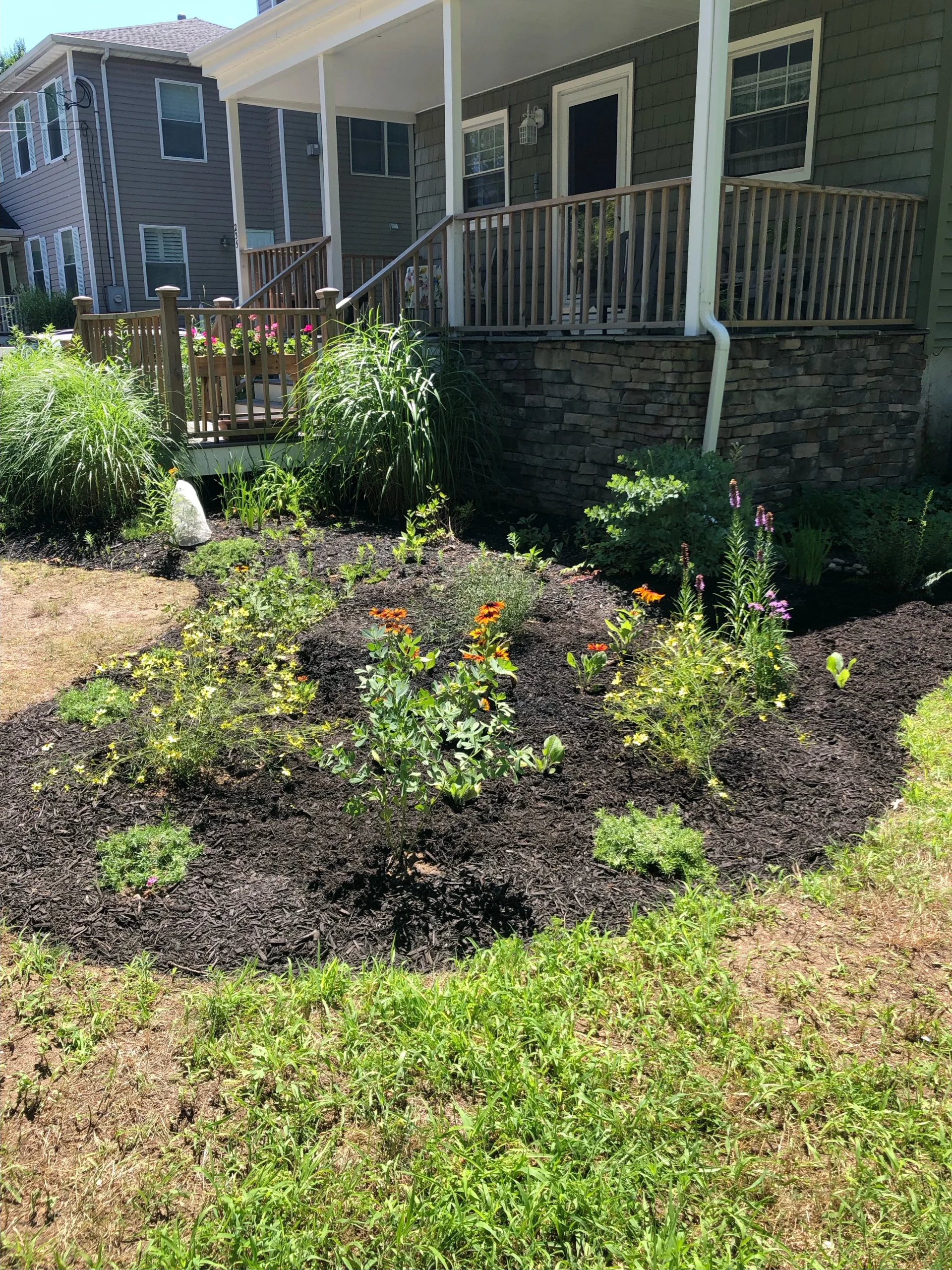
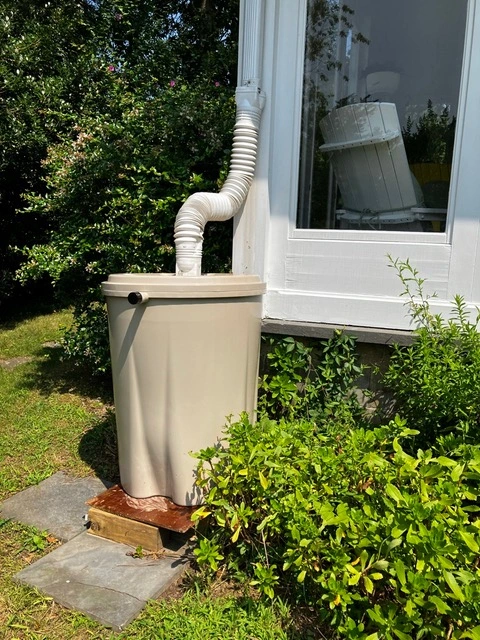
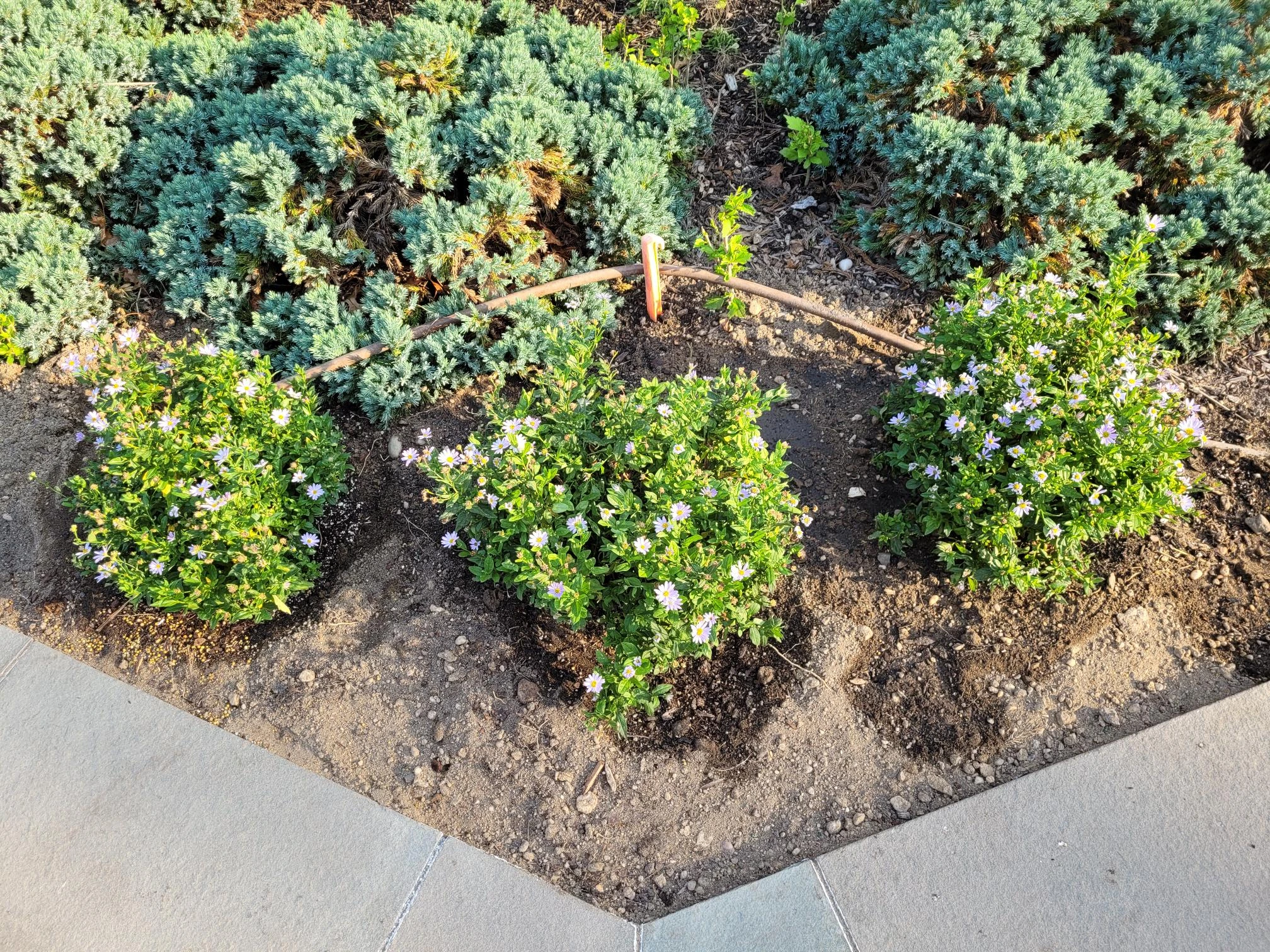
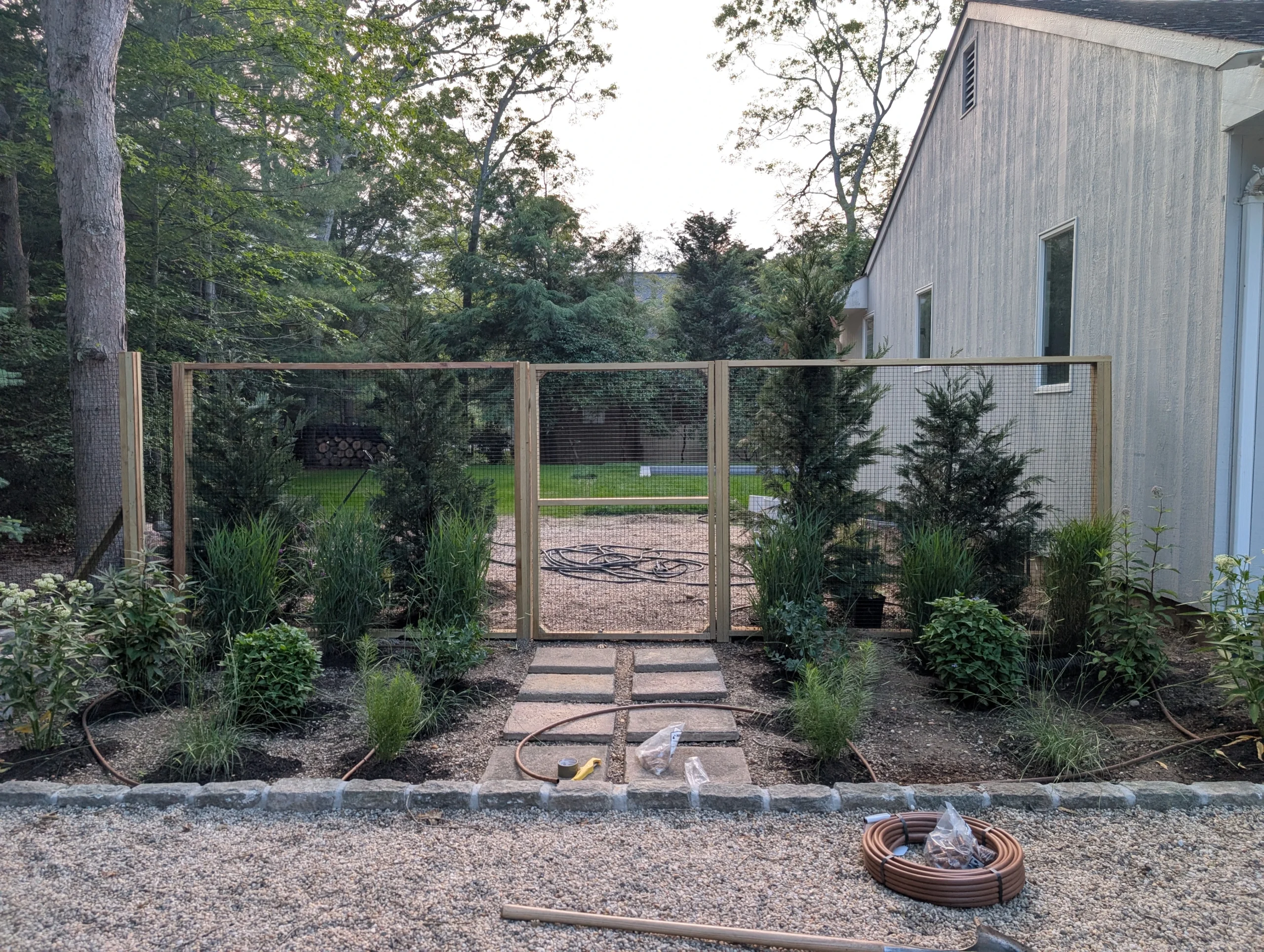
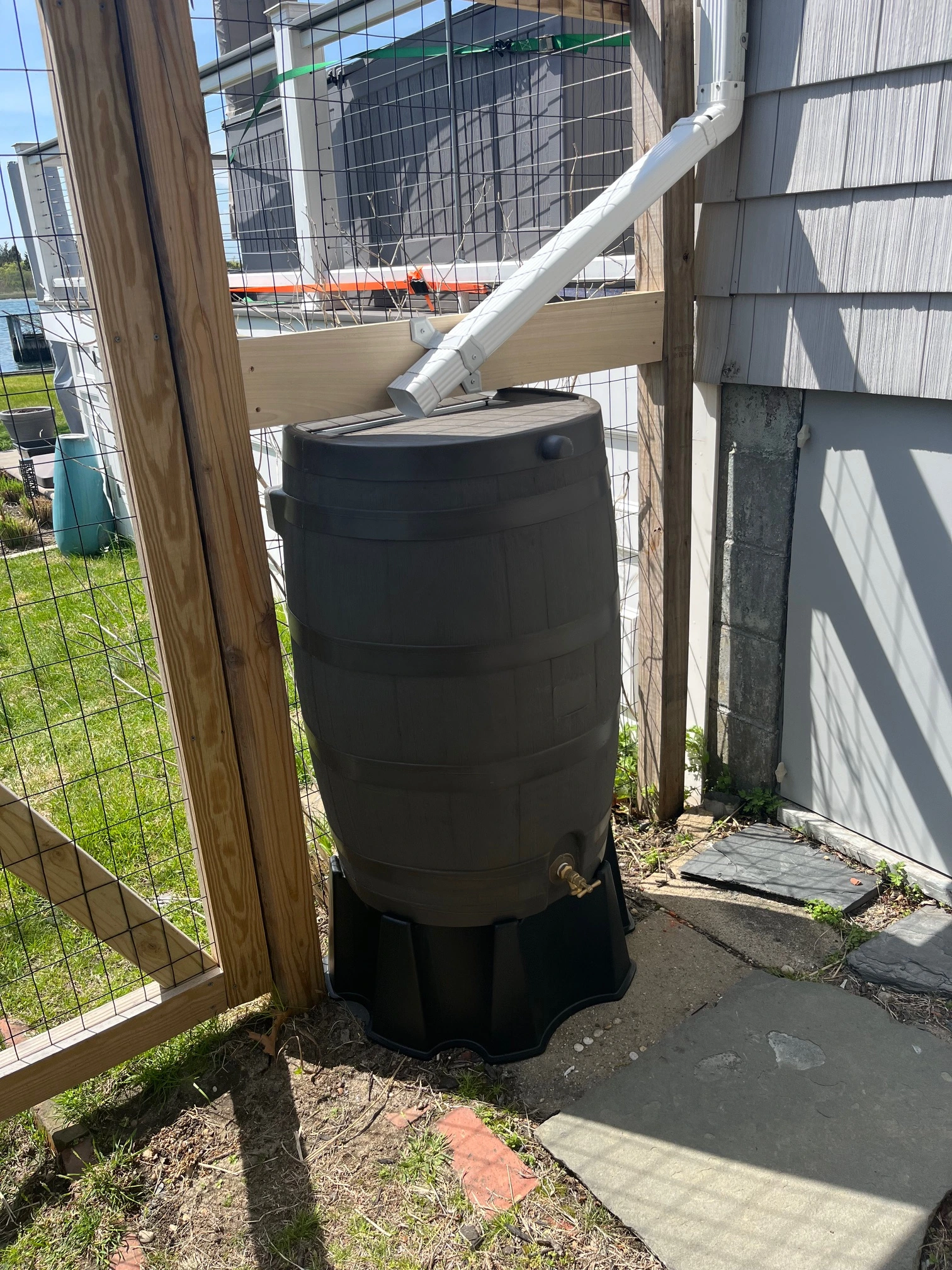
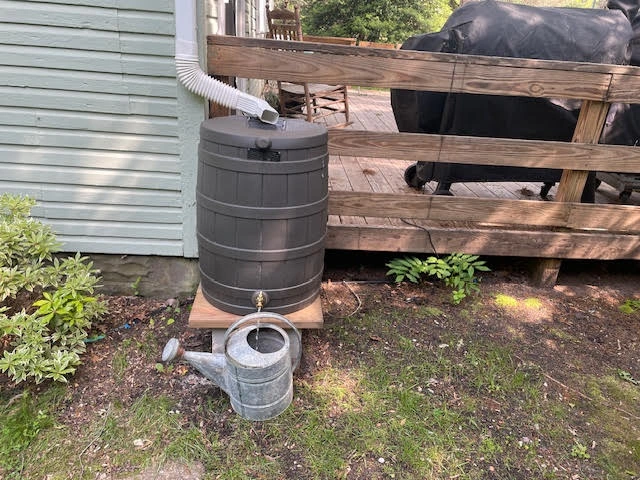
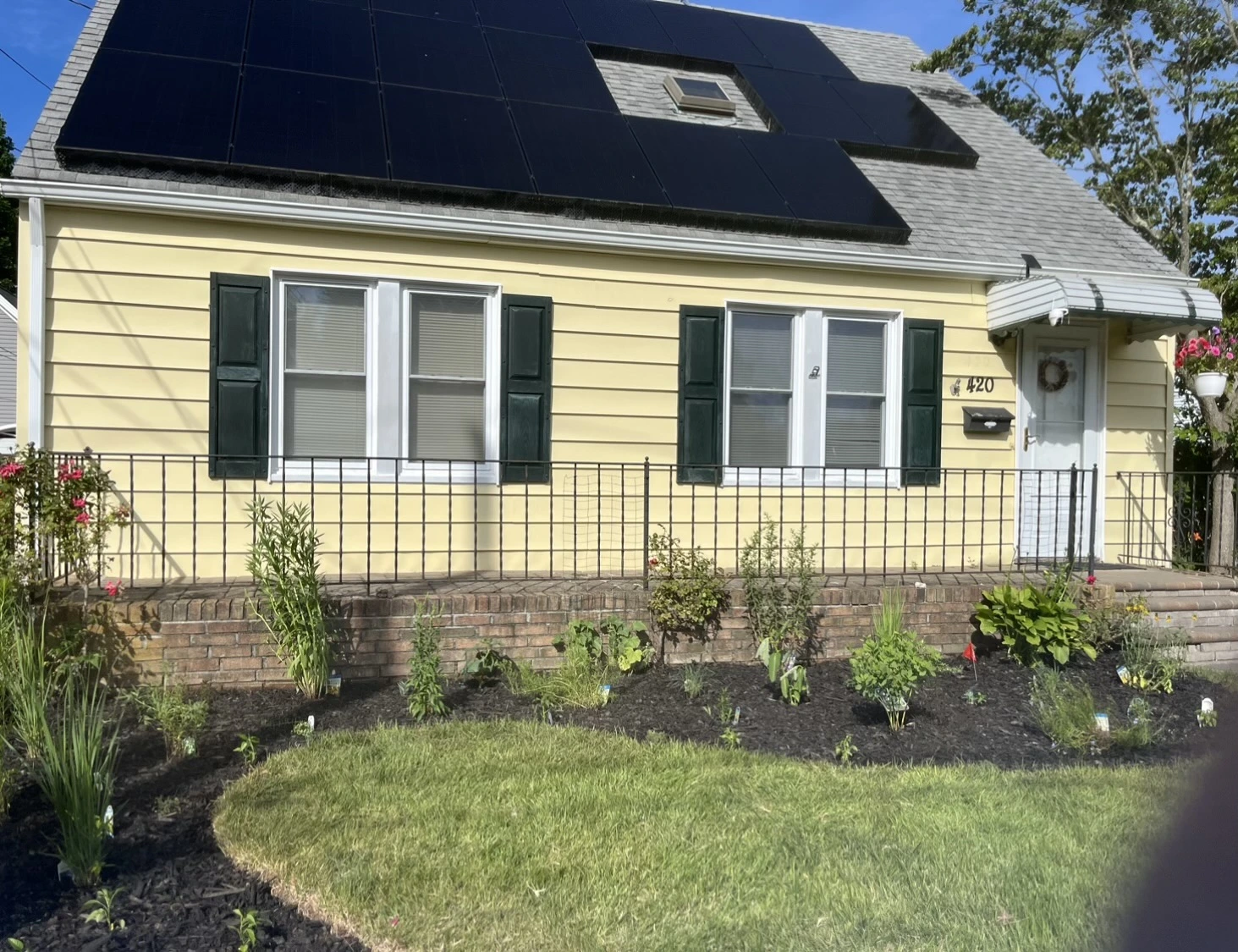
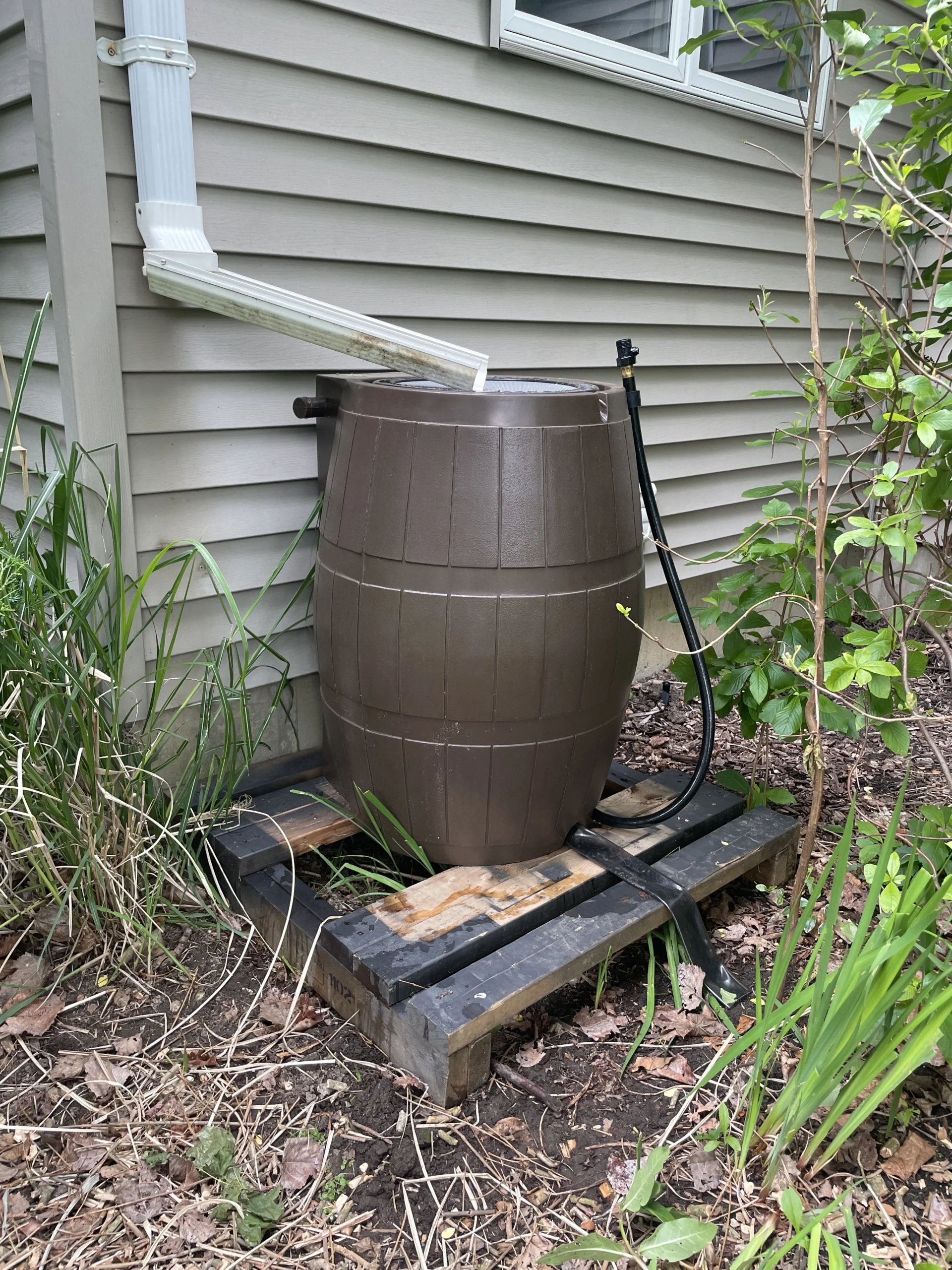
For anyone unfamiliar with it, the Homeowner Rewards Program offers residents of the Peconic Estuary watershed an up to $500 reimbursement towards the cost of creating a native plant garden, a rain garden, or of the installation of a rain barrel. The reasoning is grounded in the way water moves.
In our increasingly developed world, rainfall flows over every impermeable surface, from driveways to rooftops, making its way to our surface waters (like our bays and beaches), rather than being absorbed into the ground. As water flows across these impermeable surfaces, it gathers fertilizer, lawn chemicals, oils, and debris. The excess nitrogen gathered by the water flow creates many issues, like harmful algal blooms. This process is called stormwater runoff, and it is a major source of water pollution in our estuary.
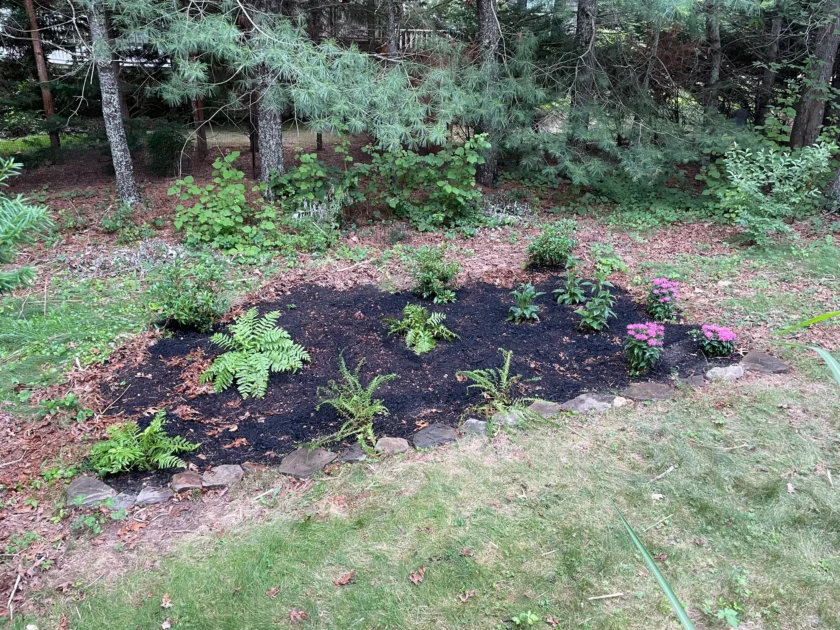
A rain or native plant garden interrupts the sequence. It slows the water, captures it, and allows it to filter gently back into the ground. Native plantings, in addition to benefiting biodiversity and aiding the life of pollinator species, don’t require the synthetic fertilizers that a manicured lawn demands, removing the pollutant at its source rather than chasing it downstream. A rain barrel simply collects water that flows off the roof, and can be used to water your garden or clean your car. The choice to have these on your property, in accumulation across enough properties, could help shift the health of the whole estuary system.
This season I have worked with roughly 44 applicants, with more applications still welcomed to come in. My role begins the moment an application arrives. I review the application and work with the homeowner to select native species suited to the conditions of their yard, utilizing the tools in our native plant database. After the homeowner completes their project, and the receipts and photographs are submitted, I pass everything to our wonderful grants manager, Jill, who sets the reimbursement in motion. Then comes the part where I get to see the project come to life: I drive out to see the finished gardens or installed rain barrels and hear all about the experience from the homeowner. Those conversations are where the program reveals its full reach.
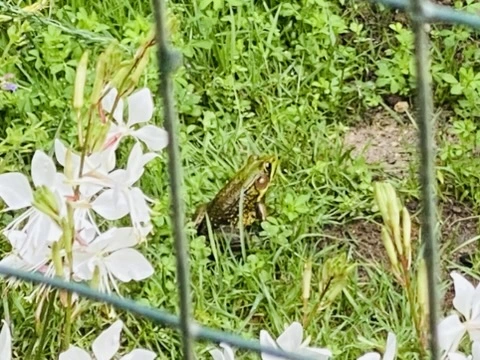
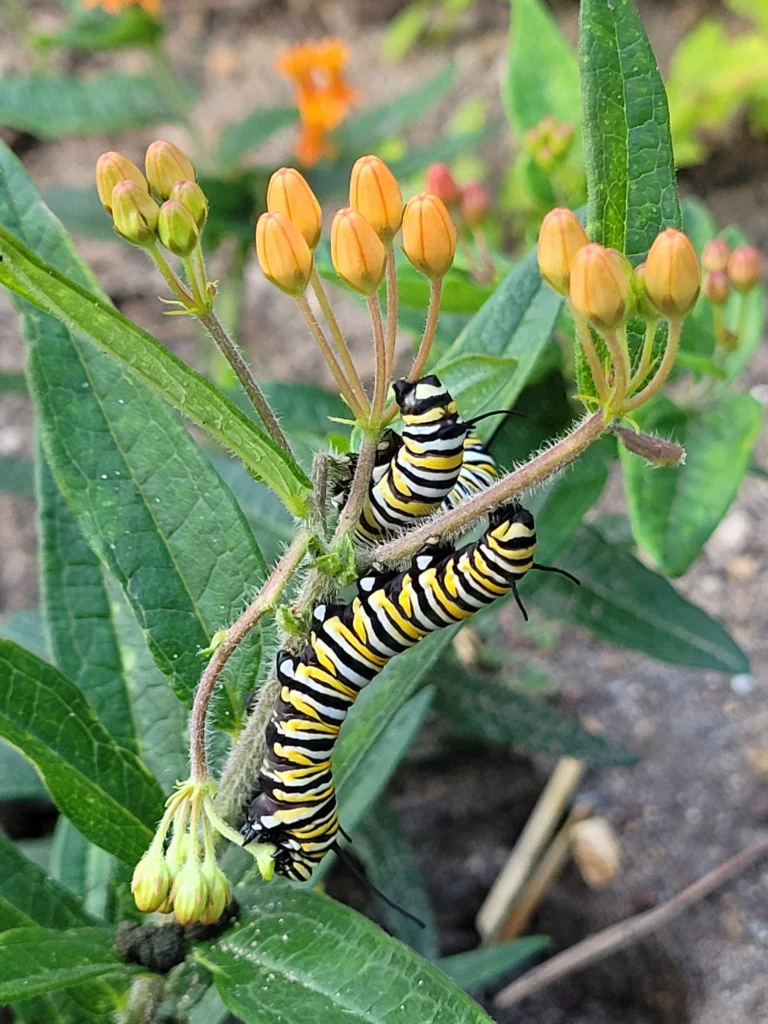
Recently, a participant from last year wrote to me with photographs and video of a garden still flourishing a full year on, which is precisely the outcome I hope for, since a planting that endures is one that keeps doing its quiet work. Others send images of butterflies and caterpillars thriving on native flowers, frogs resting under the shade of a leaf, or watering cans being filled from rain barrels.
A wonderful co-benefit of this work has been seeing a connection built between people and their environment. While making a difference for water quality and biodiversity, people are spending more time in nature, becoming educated about native plants, and their children are learning to become future stewards. Each of these yards performs a service for the estuary, and the homeowners tending them receive a reward in return, a more beautiful landscape, an excuse to enjoy the outdoors, and a deepened sense of belonging to the estuary where we all live, work and play. Take a single native garden and multiply it by the dozens of properties enrolled each year, and the outline of a larger design comes into view, a model of conservation that happens through small individual decisions.
Applications for the 2026 season are still open. Residents whose properties fall within the Peconic Estuary watershed are eligible to apply. To understand how rain gardens, rain barrels, and native plantings safeguard our water, visit the Create a Peconic Friendly Yard page. To begin planning, explore the Native Plant Database, and when you are ready, apply through the Homeowner Rewards Program page.
And should you decide to take part, I look forward to standing in your backyard some afternoon, admiring what you have grown. I can think of no better way to spend a workday.