Abigail Costigan, PEP Marine Conservation and Policy FellowContinue reading→

This four-part blog chronicles the experience of one participant in the Suffolk County Septic Demonstration Program for Advanced/Alternative On-site Wastewater Disposal Systems.
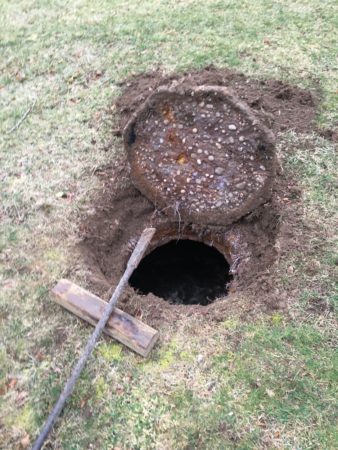
I applied for Septic Demo Round 2 in February or April 2016. (I had also applied during the First Round, but wasn’t selected). The lottery was held in late June (jackpot!) and a long vetting process began. I guess they wanted to be sure homeowners with pitchforks weren’t going to be chasing people off their property. This is for science after all, folks!
After a few phone interviews (where I tried to sound as normal as possible), I attended one of the public meetings for selected homeowners to gather, meet the county project managers, learn more about the selected technologies, and meet the company reps from each manufacturer as well as their supporting technicians, excavators, etc. We even got to meet each other. Everyone presenting at the meeting was friendly and very informative and boy do I have a lot of respect for the County project manager and the task he is trying to accomplish after that evening. An open floor for questions commenced and it was like the Spanish Inquisition! Sheesh, I know the public generally has a lack of trust for the government, but this was one brutal crowd to appease.
Working in this field, and working closely with the experts who are trying to make an actual dent in the massive effort of reducing nitrogen loading into our bays, I think it is fair to say I feel the immediate need and importance of these projects (it’s probably what helped make me a good candidate). But it really struck me just how little understanding exists amongst the common Joes about the nitrogen (fill-in any of the following: carbon, trash, population, use) footprint our communities have on the Long Island environment.
Anyway, I made it through the wilderness. Somehow I made it throoo-ooo-ough. I knew the ball was actually rolling when Justin contacted me (after some late summer delay) for a tour of the property. I gladly scheduled a meeting where we discussed options for the property, he took pictures, and I was told I was paired with the EcoFlo coconut fiber company. I was thrilled! Not because I use coconut products in nearly all of my cooking and health/beauty aids, but because I was drawn to this technology and the friendly nature of the company during the town meeting.
After some more time, Peconic Green Growth (the septic architect) came by for another visit. They and PEP have worked together on Peconic Green Growth projects before and I knew I was in good hands. She also said I had a wonderful excavator assigned to the project. The good news kept pouring in! She pointed out some important things that we needed on the survey like having the large trees on the property marked, and why aren’t the utilities marked, and wow this entire side yard is yours too? Have you given any thought to a leeching field to further disperse effluent into a large, shallow space and reduce the concentration (or direct injection) of effluent (ya know, the poop-free, disease-free leftover liquid high in nutrients) into the groundwater? Heck yeah! Draw it into the plans!
But now the surveyor who created my property survey, when I purchased the 1940’s farmhouse five years ago, needed to be brought back around to add these important features so blueprints can be created. EcoFlo was in constant contact with me through the process and coordinated all of the correspondence between myself and the surveyor. AND the county. AND the soil borers/testers. AND with legal.
The contracts were not scary. I had to cancel my lawyer on standby who was poised to rip through the legaleez and fine print that, in my mind, would have given the county the right to my house, my property, my first born, and a pint of my blood whenever they wanted. How silly of me! The contracts were easy, short, and put all of the obligation on the county and none on me (with the exception of keeping a contracted technician on-call incase anything went wrong). But I didn’t mind! Martin’s charming French Canadian accent was always reassuringly positive that the project was in good shape and wondering if I had any questions. Maybe it was the slight language barrier, or maybe it’s their job to manage the customer’s expectations, but I always walked away from a conversation feeling like this project was on the move, was going to cost me nothing, and was going to happen. We had originally slated to break ground in November, then it was December, then it was the new year. Finally….I got the call in mid- January!
Editor’s Note: The Demonstration phase of this program, described here, has concluded. The new phase of Suffolk County’s Reclaim Our Water initiative is the Septic Improvement Program, a grant and loan program to assist homeowners who wish to upgrade their cesspools and septic systems. This website provides information for both homeowners and industry professionals and also includes updates on advanced/alternative on-site wastewater treatment technologies, new and proposed code changes, and other wastewater improvements being made throughout the county.
Abigail Costigan, PEP Marine Conservation and Policy FellowContinue reading→
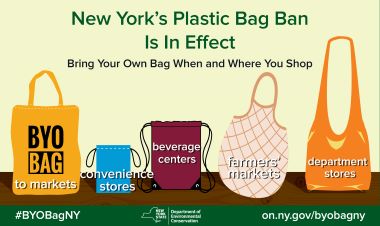
Plastic bag ban is an instrumental step to making our environment cleaner and our wildlife safer.Continue reading→

Watch this PEP presentation to learn about the projects we do and how you can get involved. During National Estuaries Week, we celebrate Estuary Day with Long Island Sound Study and South Shore Estuary Reserve to bring awareness to the work that we do as the Estuary Programs on Long Island and how you can...Continue reading→
Suffolk County presents a workshop on the Septic Improvement Program at PEP’s August 2020 Citizens’ Advisory Committee Meeting. Learn what the program entails, how to apply, and feel equipped to take the next steps in upgrading your cesspool or septic system for cleaner water quality.
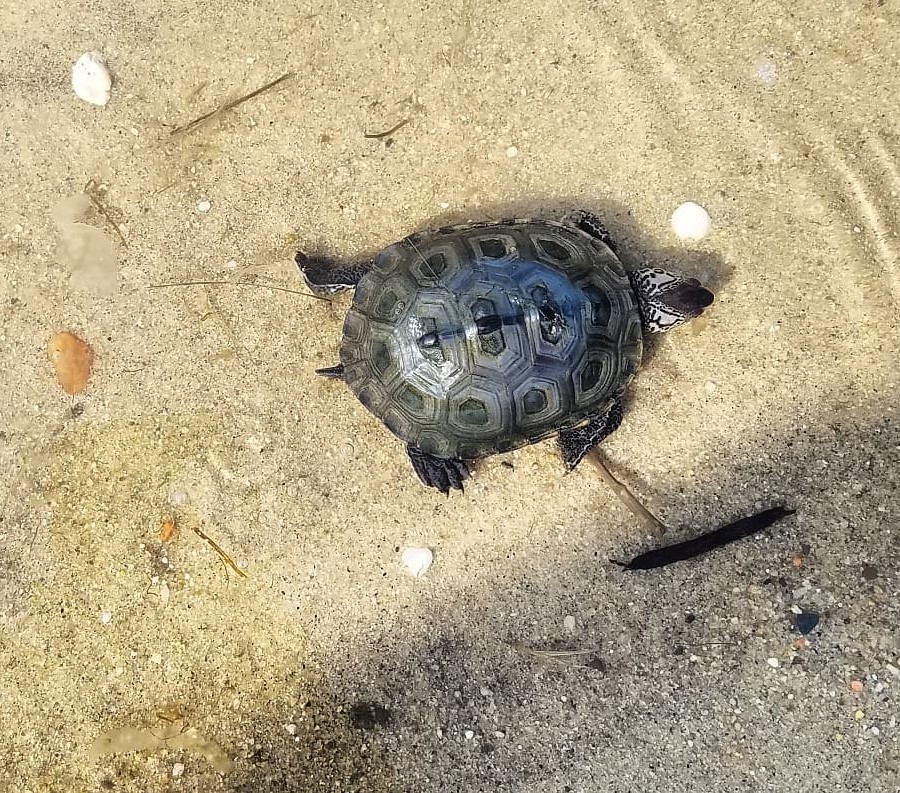
The Peconic Estuary Partnership, Seatuck Environmental Association, and Dr. Russell Burke of the Jamaica Bay Terrapin Project of Hofstra University hosted a virtual terrapin monitoring workshop where attendees learned about the importance of monitoring and how to identify terrapins and evidence of their activity. The workshop concluded with the unveiling of Seatuck’s Diamondback Terrapin Watch, which is an online survey...Continue reading→

Watch our May 2020 Citizens’ Advisory Committee Meeting co-hosted with Group for the East End, with guest speaker Rusty Schmidt, President of Long Island Native Plant Initiative (LINPI). Learn all about native plant species, where you can buy native plants, and how to get started on your garden. Native plants do not require fertilizer or...Continue reading→

Due to the coronavirus (COVID-19) outbreak, the PEP offices are closed and all in-person meetings, events and activities are postponed until further notice to help reduce the spread of COVID-19. PEP staff are working remotely and can be contacted via email. As always, we will continue to share information about the Peconic Estuary through our...Continue reading→
2020 brings exciting news for the Peconic Estuary Program – a new name that better reflects the program and a soon-to-be launched revised Comprehensive Conservation Management Plan that includes fresh goals and actions for the next decade. As a National Estuary Program, the PEP brings together all members of the community – Federal, State and...Continue reading→

The Peconic Estuary Partnership, in response to the adult scallop die-off in the Peconic Bays convened a group of scientists, regulators and experts to assess the known and unknown factors that may have contributed to the demise of the Peconic Bay scallops in 2019 in the Peconic Estuary. This group, the Peconic Bay Scallop Technical...Continue reading→
February 21, 2020 PECONIC BAY SCALLOP TECHNICAL REVIEW COMMITTEE PROVIDES UPDATE ON THE 2019 ADULT BAY SCALLOP DIE-OFF In light of the recent information released regarding the work led by NYSDEC and the Marine Animal Disease Lab at Stony Brook University, the Peconic Bay Scallop Technical Review Committee would like to give the following update...Continue reading→
Sign up for News, Events and Information straight to your inbox.
