
Spartina pectinata
Prairie Cordgrass
 You need to register or login to use the plant list.
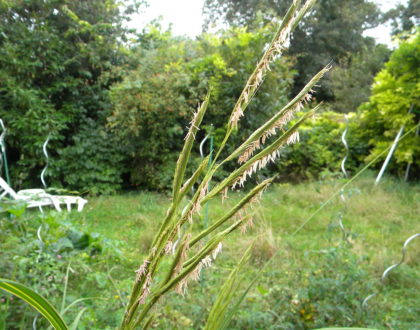
Prairie Cordgrass is a tall, stiff, warm-season perennial grass. Its clustered branches of yellow-brown flowers bloom on spikelets, July-August. ...
Description:
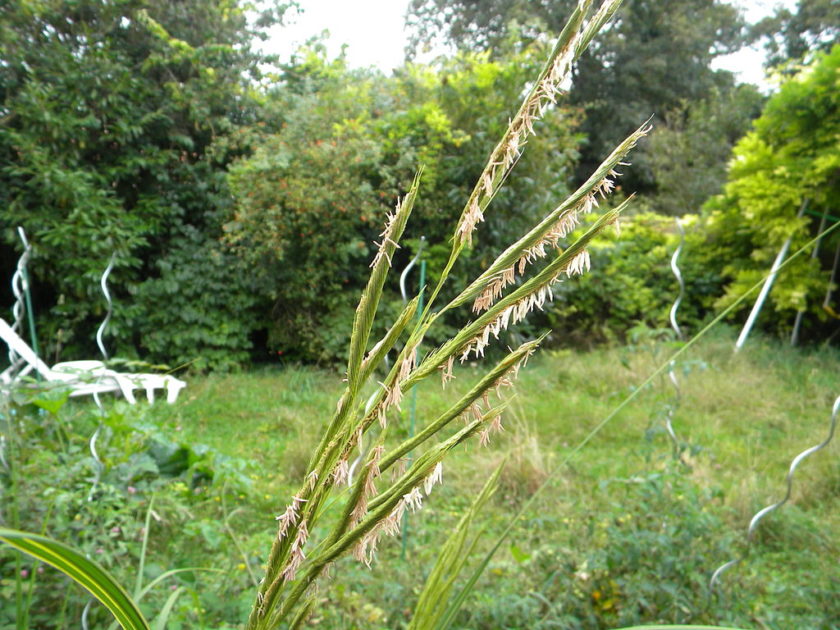
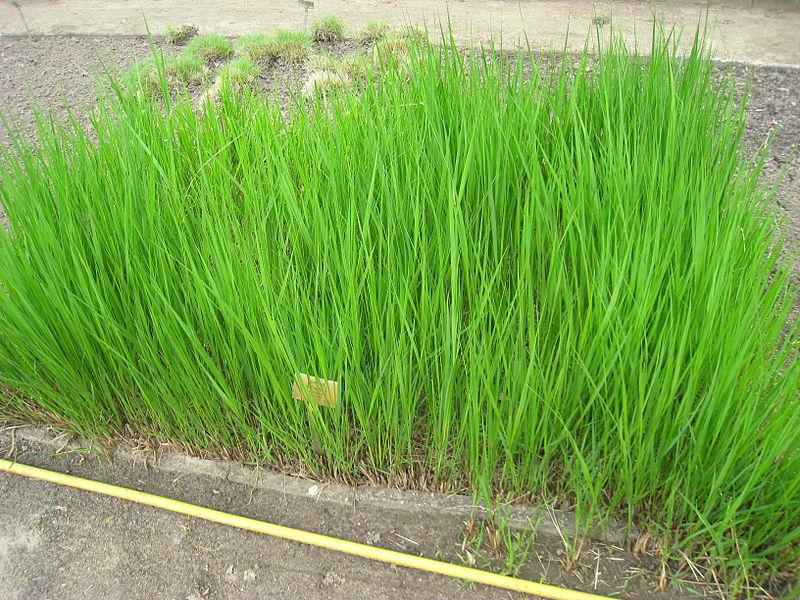
Prairie Cordgrass is a tall, stiff, warm-season perennial grass. Its clustered branches of yellow-brown flowers bloom on spikelets, July-August. Its sharp-edged leaves have earned it one of its common names, Ripgut. Leaves turn yellow in the fall. Prairie Cordgrass provides habitat and nesting materials for birds and wildlife. It prefers wet, fertile, loamy soil and will tolerate periodic flooding; it creates thick stands in optimum conditions. However, it will also tolerate dry soils, where it will not grow or spread as quickly. The native habitat of Prairie Cordgrass includes freshwater marshes, as well as low roadside areas. Use it to aid in erosion control around ponds, or plant it in your rain garden. This plant is also used to vegetate large swales and retention basins.
Plant Details
Other Common Names: Sloughgrass, Ripgut
Plant Type: Grass
New York Native: Yes
Deer Resistance: Some
Attracts Pollinators and Wildlife: Birds
Salt Tolerance: Low to None
Hardiness Zone 6a, 6b, 7a, 7b
Soil Characteristics
Soil Type: Loam, Organic, Sandy
Soil Moisture: Wet, Medium-drained
Soil pH: Slightly Acidic, Neutral, Slightly Alkaline, Alkaline
Light Needs of Plant:
Optimal Light: Full Sun
Light Range: Full Sun, Partial Shade
Water Needs of Plant:
Soil Moisture: Wet, Medium-drained
Drought Tolerance Low
Size and Growth Rate
Height: 5 - 8 ft
Spread: 5 - 8 ft
Growth Rate: Fast
